Category: responsive behaviours
-
Refusal of eating and Drinking: Dementia Tips
We compiled a list of reasons why people with dementia could refuse to eat or drink. All these barriers are not applicable to every person, but could shed some insight on possibilities when looking at eating and drinking refusals. 1. Cognitive Barriers Memory Loss Memory loss can significantly impact an individual’s meal intake if not
-

Recognizing and Responding to Agitation in Dementia
Agitation is a common and challenging symptom experienced by individuals living with dementia. It can manifest in various ways, including restlessness, pacing, verbal or physical aggression, and resistance to care. Managing agitation effectively, requires an approach that considers the individual’s needs and preferences. In this article, we’ll explore various strategies and techniques that caregivers can
-
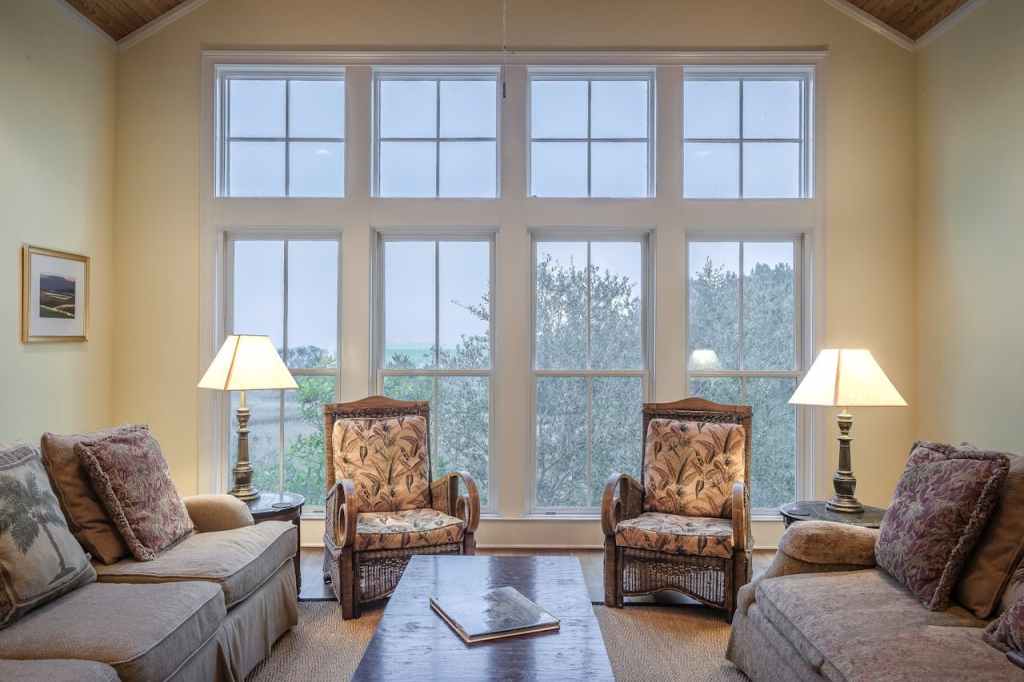
Environmental Triggers and Dementia
Understanding potential environmental triggers that lead to responsive behaviours can provide proactive support and create a cohesive living environment. Dementia can significantly impact cognitive functioning and behaviour, and certain environmental factors can intensify symptoms or trigger challenging behaviours. Let’s explore some common environmental triggers and examples of related responsive behaviours. Noise and Overstimulation: 1. Background
-

Undressing Dementia: The Disrobing Dilemma
Disrobing, commonly misconstrued as a sexually expressive behaviour or a “sexualized act,” can stem from various reasons. This blog aims to offer alternative perspectives on potential triggers for disrobing in individuals with dementia. By exploring different possibilities, our goal is to offer insights that encourage a more thoughtful approach to this behaviour. We analyze aspects
 Caring for Dementia