Category: Dementia education
-

Effective Communication for Dementia Care
When caring for someone that has dementia, it’s important to understand that as their brain changes and deteriorates; their language, communication and comprehension will also decline. We may not be able to hold a conversation with them like we once did, but there are things we can do to ensure we are understanding them, and…
-

Clearing the Fog: 5 Myths About Dementia
Dementia is a rarely understood, and complex disease, with many misconceptions about the disorder and it’s symptoms. We are going to dispel five different myths to clear the fog. 1. Dementia is JUST the absence of memory. False. Dementia (depending on which type) can affect various parts of the brain responsible for abilities such as:…
-

Non-Verbal Impact: The Role of Tone and Body Language
Influence of Body Language in Communication Utilizing body language and gestures becomes increasingly important, as these non-verbal cues play a vital role in enhancing communication for individuals facing cognitive challenges. Verbal expression may become challenging for those with dementia, leading to frustration and a sense of isolation. Engaging with them through intentional body language provides…
-
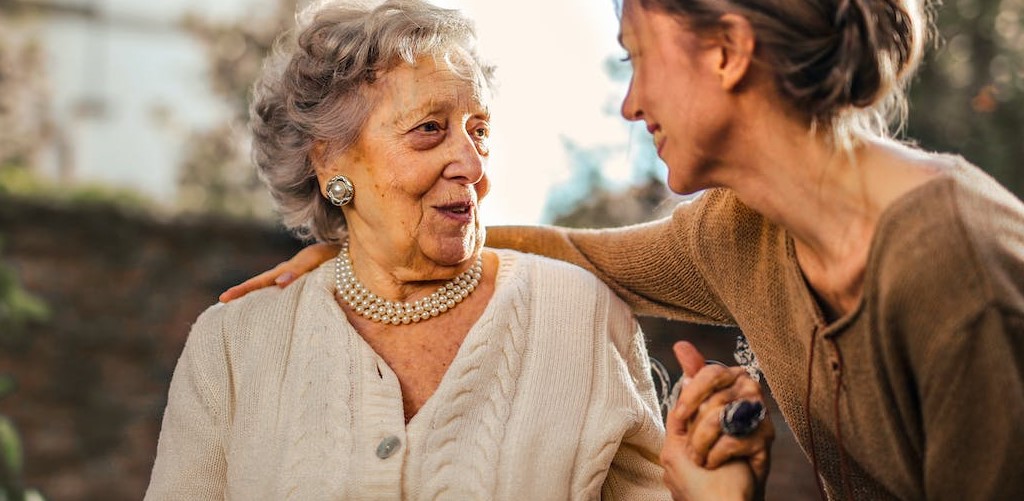
Empathetic Communication for Dementia: 6 Essential Tips
Understanding the challenges faced by individuals with dementia involves acknowledging the progressive deterioration of their brain cells, which unfortunately lack the capacity for rejuvenation. A diagnosis of dementia typically represents a continuous decline, emphasizing the need for extensive support. To effectively assist those affected, it becomes imperative that we undergo a shift in our communication…
 Caring for Dementia