
When caring for someone that has dementia, it’s important to understand that as their brain changes and deteriorates; their language, communication and comprehension will also decline. We may not be able to hold a conversation with them like we once did, but there are things we can do to ensure we are understanding them, and they can comprehend us. Please note there are times where the comprehension of communication is mostly gone and it becomes very difficult to try and understand needs. This article will assist those who see a moderate to severe communication disruption, these tips can help you uncover what the person is trying to communicate.

Limit Open Ended-Questions
- Open-ended questions force a person to search for one particular word.
- Yes/No questions provide the cue right in the question.
- Example: “Do you like country music”. They have been given the cues “like” and “country music”.
- When we provide the details instead of waiting on them to retrieve the details, we can receive more accurate information.

break tasks into simple steps
- People with dementia have difficulty breaking down and sequencing tasks.
- We can provide simple and clear steps to help them complete the task independently.
- This can be done with any task.
- You may need to demonstrate the motion or movement for further comprehension.
- Set the person up for success by minimizing distractions and busy environments.

Use non-verbal communiation
- Use gestures like a thumbs up to communicate the word “yes” or “good job”.
- Be mindful of your body language to ensure it appears open and inviting.
- Use universal gestures such as, putting an invisible cup to your mouth to indicate “Do you want a drink”.
- Click link below for a more in-depth exploration of how to use non-verbal communication.
- Read Non-Verbal Communication Tips

expressive and Enthusiastic
- An enthusiastic tone of voice will do more to motivate the person than your words will.
- People generally enjoy being around others who are enthusiastic and bubbly.
- Observe for verbal and non-verbal cues to indicate the person may be annoyed.
- Accept “no” if you’ve been persistent, and they are unaccepting. You may have to attempt the task later that day or another day.

Don’t touch without warning
- A touch without warning can cause someone to become startled.
- A person who is startled can become fearful, angry, aggressive, upset, or fall.
- Ensure you are practicing this rule during bathing time.
- When cleaning someone with dementia, do not touch areas without warning, especially sensitive areas.
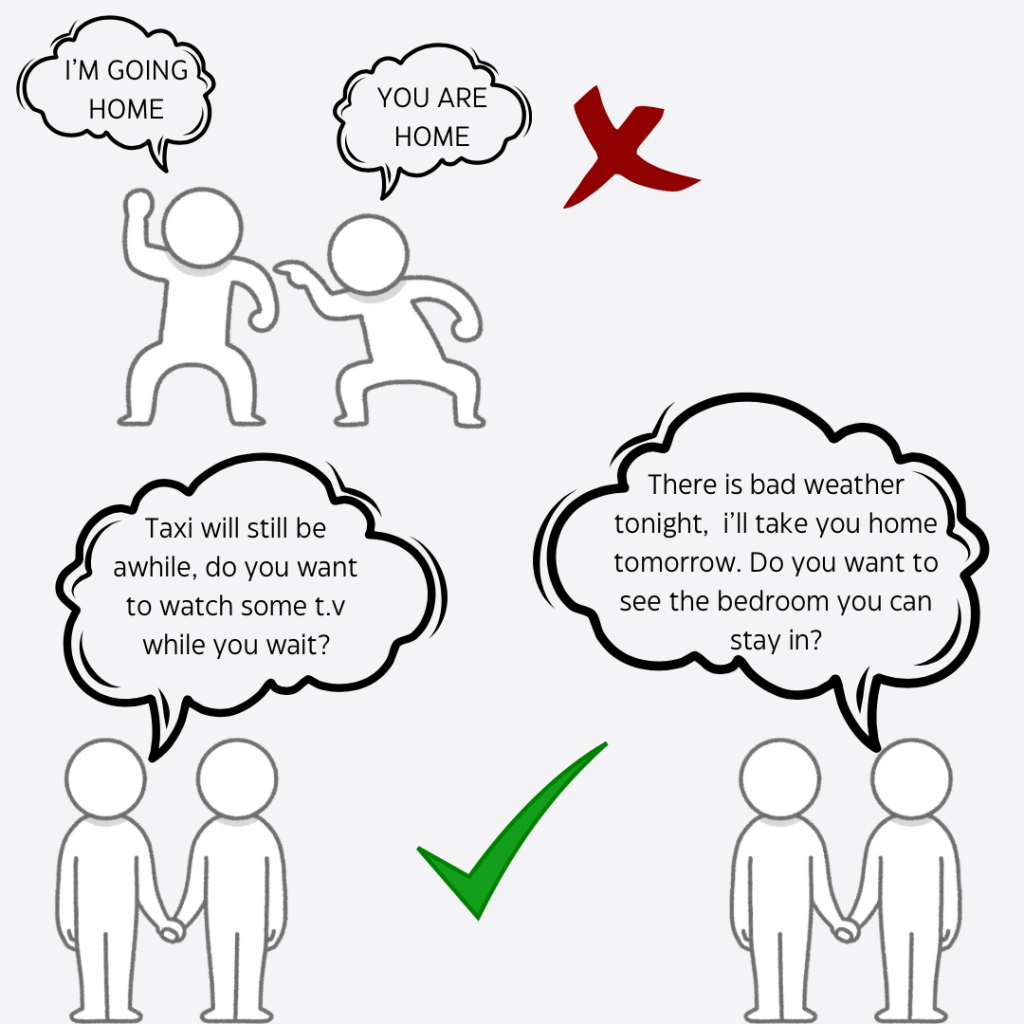
Do not argue or correct
- Yes we lie to people who have dementia.
- Why do we lie?
To preserve their emotional state. - In our example we will not correct the person, instead we will enter their reality, and come up with something that is believable to them.
- Attempt to bring them comfort/security for their immediate issue or concern
- Once settled attempt to re-direct to something that will provide distraction.
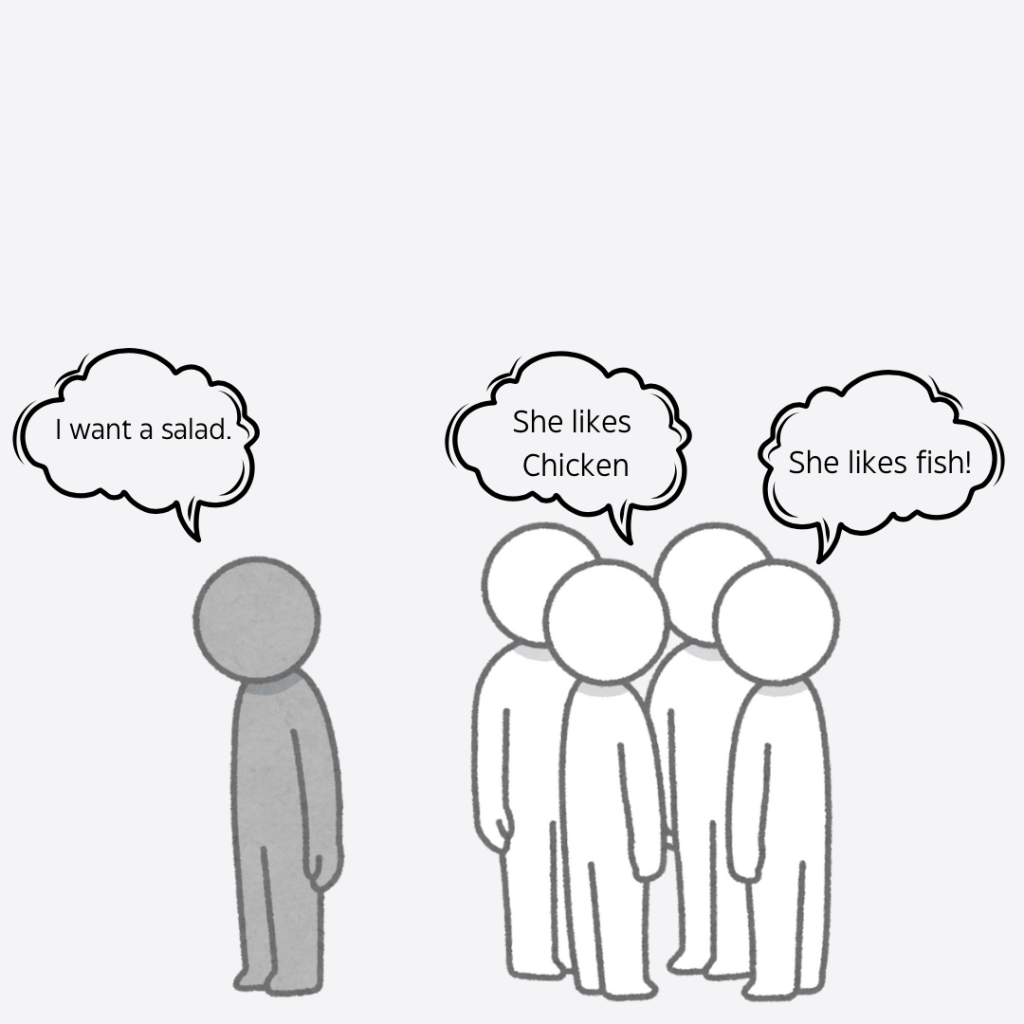
Don’t talk about the person like they are not there
- Even though a person may not be able to make medical or financial decisions. They can still provide input about their life.
- It is degrading to the individual to be spoken about like they have no choices or independence.
- This may cause the person to become suspicious, thinking that others are trying to make decisions for them.
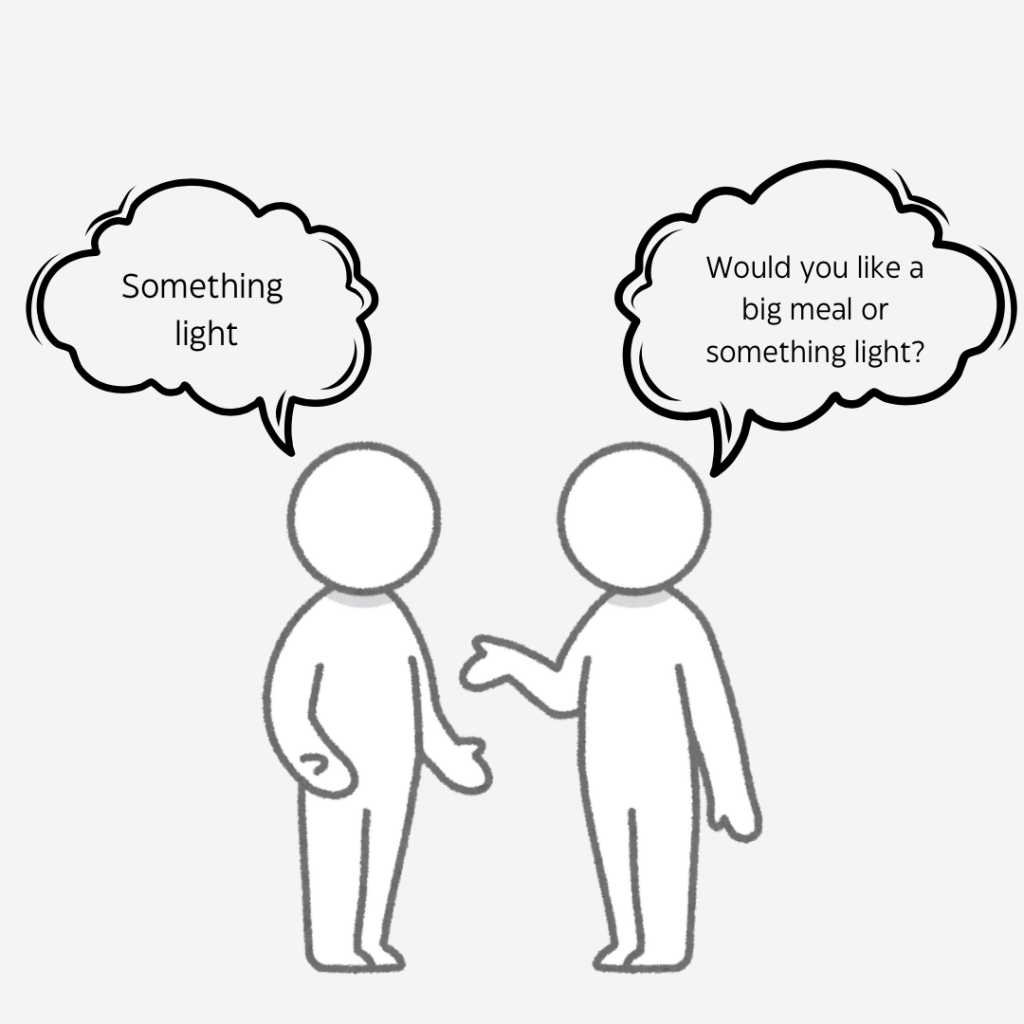
Ask for input
- It’s important that we maintain their autonomy by encouraging their input.
- Ask for input in choices related to
- Meals
- Clothing
- Grooming
- Visitors
- Make-up and accessories
- Bath Times
- Decor
- Environment
- Routines
- Wake Times
- Activities

Provide Simple choices with visual cues
- Provide 2 or 3 choices to avoid frustration.
- Use visual cues (the item itself, a label, or a picture) to enhance understanding.
- Do this with any task.
- Another task example: “Which shirt do you like – the red, or yellow shirt”. Hold up both shirts so the person can see the item.
- Use communication cards or whiteboard to further solidify your understanding of their needs.

Speak in short, clear sentences.
- People with dementia miss 1 word for every 4-5 words spoken.
- For example: If you said “Do you want to go to the store today with your daughter”. They may hear “Do go today daughter”.
- This can completely change the structure of our sentences, making it difficult to understand.

Do not react emotionally to their emotions
- It’s important to always try to ease tensions.
- A person will react to your tone and emotions in a conversation before they will understand the words spoken.
- It’s important to keep a calm demeanor so the person emotions aren’t intensified by our emotions.
- It is much more difficult to bring someone down if their emotional state is at a 10 than it would be from a 5.

Build Trust
- To build trust we must be empathetic and compassionate.
- We should always look to provide comfort and security if the person is in distress.
- Blame inconveniences or “perceived errors” on people like the doctor, or the bank, to preserve your connection.
- For example: The doctor told you that you have to drink this protein drink.
- A person may not remember a certain conversation, but the feelings from an interaction can be lasting and impactful.
- Sometimes people with dementia can fixate on something that happened, and can associate a particular interaction to the person .
Tell us below in the comments of any types of effective communication strategies that you have found helpful throughout your experience.
Caring for Dementia
Explore Virtual Care.
Follow us for more on dementia carE

 Caring for Dementia
Leave a comment